

Faded black plastic trim can make even a well-maintained vehicle look neglected. You wash it, dress it, and within a week or two the grey haze comes creeping back. That cycle is exactly why Gtechniq C4 Permanent Trim Restorer exists, and why so many detailers and car owners have strong opinions about it.
At My Detail Buddy, we handle trim restoration regularly as part of our mobile detailing services across Waxhaw, Charlotte, and the surrounding NC area. We’ve applied C4 on dozens of vehicles, from daily drivers with sun-bleached fender trim to luxury SUVs where every exterior detail matters. That hands-on experience gives us a clear picture of what this product actually delivers versus what the marketing promises.
This article breaks down everything you need to know before buying or applying Gtechniq C4. We cover how it works at a chemical level, walk through proper application step by step, and share honest results from real-world use. You’ll also find out where it shines, where it falls short, and whether it truly lives up to the "permanent" claim. If you’ve been comparing trim restorers and want a straight answer on whether C4 is worth the investment, you’re in the right place.
Why trim fades and what C4 actually does
Black plastic trim starts life looking sharp, but sun exposure, heat cycles, and basic environmental contact break it down steadily. Understanding why this happens helps explain why most trim dressings fail long-term, and why Gtechniq C4 Permanent Trim Restorer takes a fundamentally different approach than the sprays and wipes you find at the auto parts store.
The science behind fading black plastic
Most exterior plastic trim on modern vehicles is made from unpainted polypropylene or TPO (thermoplastic olefin). These materials contain carbon black pigment, which gives them that sharp dark color when new. The problem is that UV radiation from the sun breaks down the surface polymer chains over time, a process called photo-oxidation. As the top layer degrades, the carbon black migrates away from the surface and the plastic takes on that chalky, grey appearance you’ve almost certainly seen on older bumpers and fender trim.
Heat makes the problem significantly worse. In a North Carolina summer, plastic trim can reach surface temperatures above 150°F sitting in direct sunlight. Those repeated heat cycles cause the material to expand and contract, which further weakens the surface structure and opens up microscopic pores. Those pores are actually part of what makes trim restoration possible, but they’re also why most dressings wash out so quickly. When you apply a silicone-based dressing, it sits on top of those pores rather than penetrating them, and the next rain or wash pushes it straight off. The grey comes back, and you repeat the process all over again.
Most store-bought trim dressings restore the look for a week or two, but they don’t address the actual surface degradation, which is why the fading always returns.
How C4 bonds differently
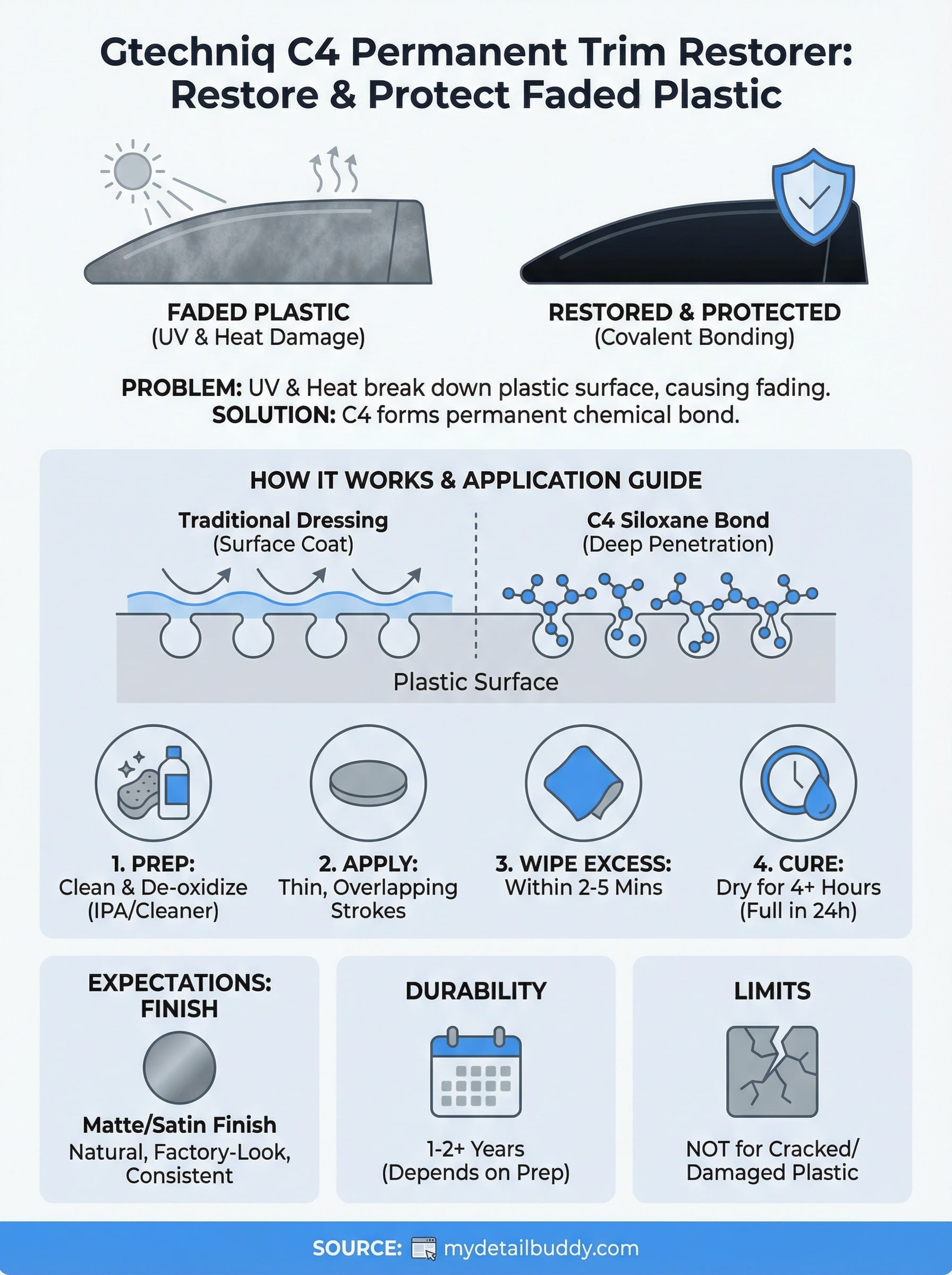
Gtechniq C4 uses completely different chemistry than conventional dressings. The active component is a siloxane-based compound that bonds covalently to the plastic surface rather than just coating it. In practical terms, the product chemically reacts with the trim material and becomes part of the surface rather than sitting on top of it. Think of it like the difference between painting over rust and actually treating the metal underneath.
When you apply C4, the siloxane molecules penetrate the microscopic pores that UV damage has opened up and form cross-linked polymer bonds with the substrate. Those bonds hold up to washing, heat, and UV exposure in a way that wax or silicone never can. Gtechniq also builds UV absorbers into the formula, which actively slow down future photo-oxidation. That dual action, restoring color while protecting the surface from further breakdown, is why the product earns the "permanent" label more legitimately than most competitors.
What types of plastic C4 works on
C4 is designed for unpainted exterior plastic trim, including bumper covers, mirror housings, door trim strips, fender flares, and roof rails. It performs best on porous plastics like polypropylene and TPO because the bond depends on the material having those open surface pores to accept the siloxane compound. Painted plastic, vinyl, and rubber are not ideal candidates since the surface chemistry differs enough that the covalent bond won’t form correctly.
One important point: heavily oxidized trim often needs a prep step before C4 goes on. If the plastic has years of chalking built up, the siloxane molecules bond to the dead surface layer rather than the actual substrate, and the results suffer for it. Removing that oxidized material first is non-negotiable on neglected trim, and we walk through exactly how to do that in the application section below.
What to expect from C4: finish, durability, limits
Before you apply Gtechniq C4 Permanent Trim Restorer to your vehicle, knowing what results to realistically expect saves you frustration later. The product delivers on its core promise, but the outcome depends heavily on the condition of your trim and how well you prep the surface beforehand.
The finish C4 leaves behind
C4 produces a natural, matte-to-satin finish rather than the wet, glossy look that silicone dressings create. If you’ve been using a spray dressing that makes your trim look almost wet, C4 will look noticeably different, and more like what factory-fresh black plastic actually looks like. Most people find this finish more refined and appropriate for the trim material, but if you specifically want that high-gloss appearance, C4 is not the right product for that goal.
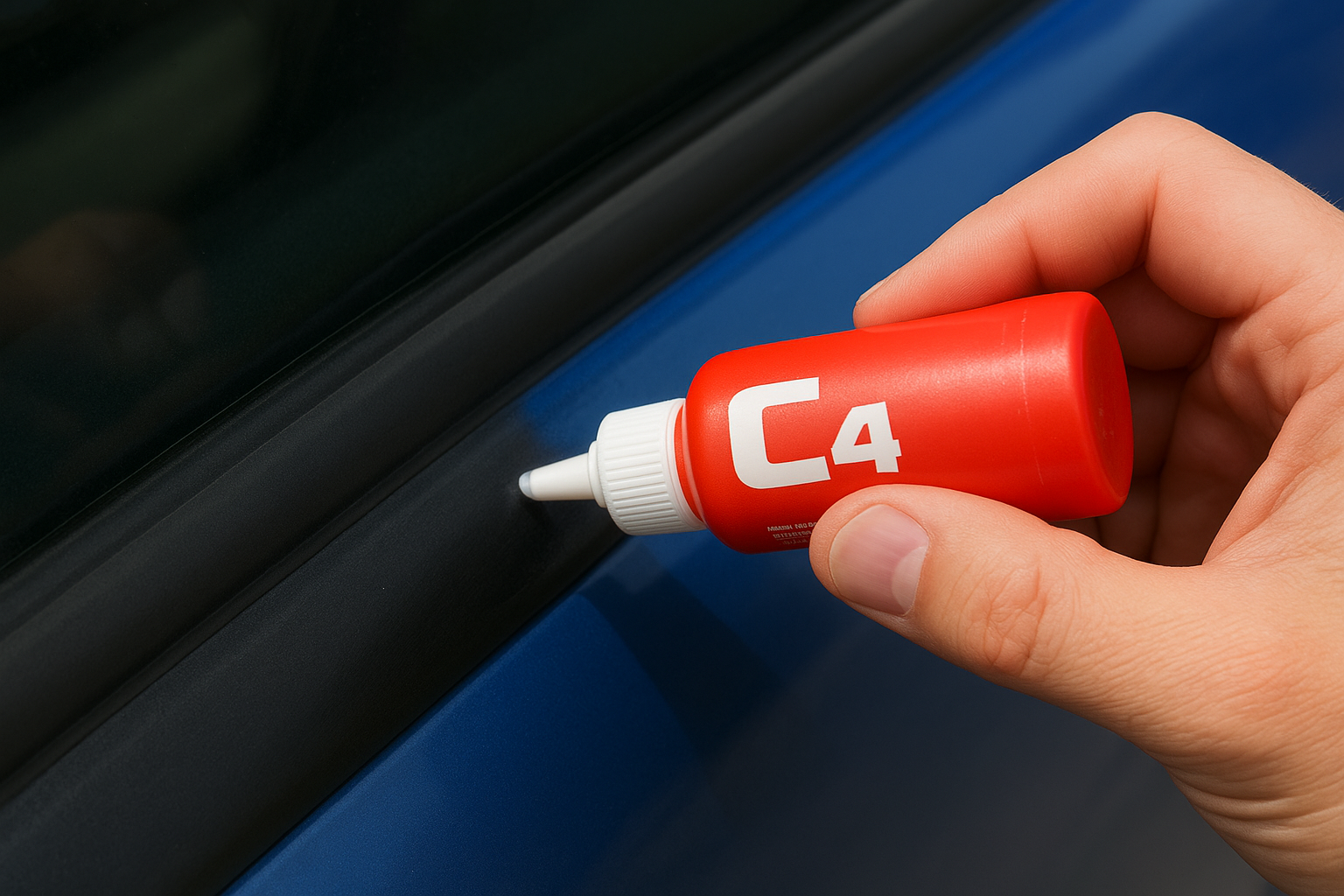
The color restoration is genuine. On trim that’s moderately faded, one coat restores a deep, even dark tone across the surface. On severely oxidized trim that’s been properly prepped, a second coat can deepen the result further. The finish also looks consistent across different lighting conditions, which separates it from dressings that look great in the driveway but patchy in direct sunlight.
How long C4 actually lasts
Gtechniq markets C4 as permanent, and the covalent bonding chemistry backs that up to a real degree. In practice, properly applied C4 on well-prepped trim routinely lasts one to two years before any noticeable fading returns. On vehicles garaged or parked in shaded areas, that lifespan can stretch even further.
The bonding chemistry is what separates C4 from conventional dressings, but surface prep is what determines how long those bonds actually hold.
Longevity drops significantly if you skip prep steps or apply C4 to contaminated or oxidized trim without cleaning the surface first. The siloxane bonds to whatever is on the surface, including old product residue, so contamination directly shortens the effective life of the treatment.
Where C4 falls short
C4 is not a miracle product, and there are situations where it simply will not deliver. On heavily cracked or physically damaged plastic, no coating product can restore structural integrity or eliminate deep surface texture changes. Those situations typically require either trim replacement or a dedicated plastic restoration process that goes beyond what a bonding product can address.
You should also keep your expectations realistic on extremely porous, aged plastic that has never been treated. C4 will improve the appearance, but it may take multiple applications spaced over several weeks to get close to factory color on the most neglected trim.
How to apply Gtechniq C4 the right way
Getting the application right matters as much as the product itself. Gtechniq C4 Permanent Trim Restorer is a bonding compound, which means the condition of the trim at the time of application directly determines the final result. Rushing through prep or applying over a contaminated surface produces uneven finish, weak bonding, and a shorter lifespan than this product is capable of delivering.
Prep the trim before anything else
Clean trim is non-negotiable before C4 goes anywhere near the surface. Start by washing the trim with an automotive soap to remove loose dirt, road grime, and any existing dressing residue. After washing, wipe the trim down with isopropyl alcohol (IPA) at 70% concentration or higher using a clean microfiber cloth. IPA strips away remaining oils, wax, or silicone that would block the siloxane bonds from forming correctly.
On trim that shows visible oxidation, you need an additional step. Use a dedicated plastic cleaner or light abrasive pad to remove the chalky layer before applying C4. Without clearing that dead surface material first, the product bonds to the oxidation rather than the plastic underneath, and your results will last a fraction of as long as they should.
Prep takes longer than the actual application, but it determines whether C4 bonds for months or for years.
Applying C4 step by step
Apply C4 using a foam or microfiber applicator pad. Work in small sections, roughly one trim panel at a time. Use straight, overlapping strokes across the surface rather than circular motions, which tend to cause streaking on flat trim panels. Less product is better here since thick application leads to uneven bonding and high spots that are difficult to correct after curing.
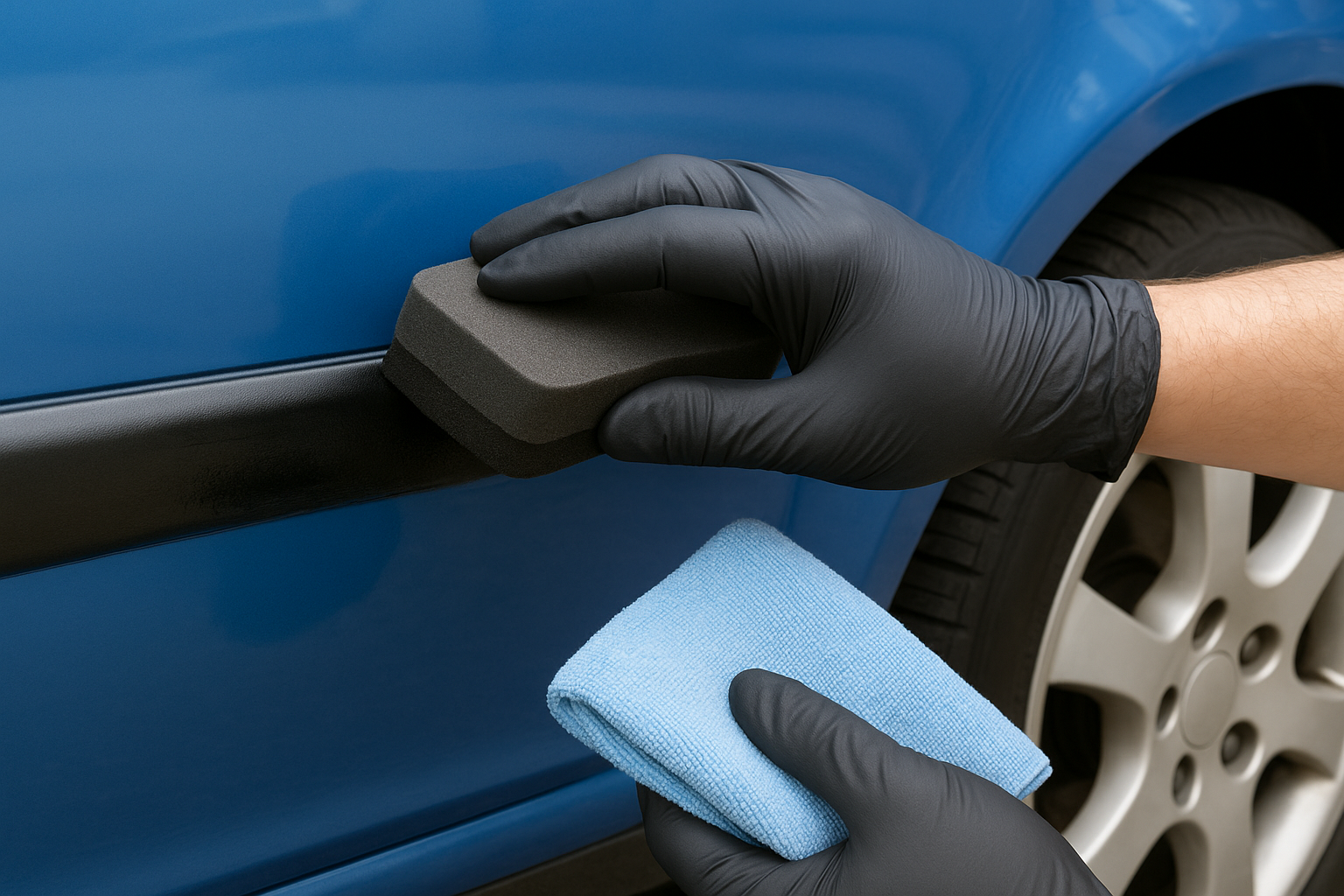
Wipe away any excess with a clean, dry microfiber cloth before it fully cures. You have a short working window, roughly two to five minutes depending on ambient temperature, before the product becomes difficult to buff off cleanly.
Curing and what to do after application
Keep the treated surface dry for at least four hours after you finish the application. Avoid washing the vehicle or letting it sit in rain during that period since water disrupts the curing process and weakens adhesion.
Full curing takes 24 hours, after which the bond is fully set. Once that window passes, you can wash the vehicle normally without worrying about breaking down the treatment or pulling it off the plastic surface.
Fixing common problems and removing C4
Even when you follow the application steps carefully, Gtechniq C4 Permanent Trim Restorer can sometimes produce results that need correcting. Most problems trace back to the prep stage or the working time during application, and most of them have a straightforward fix once you know what caused them.
When the finish looks uneven or streaky
Streaking usually happens when you apply too much product at once or when you miss the window to wipe away excess before it sets. If you notice high spots or streaky patches shortly after application, try buffing the surface immediately with a clean, dry microfiber cloth using firm, straight strokes. Acting fast makes a real difference since C4 becomes significantly harder to correct once it starts bonding.
If the product has already cured and the streaking is locked in, a light abrasive plastic cleaner applied with a foam pad can level the surface without damaging the underlying trim. Work in small sections and check your progress frequently to avoid removing more than you need to.
Catching streaks early, before full cure, saves you from needing to strip and reapply the entire panel.
How to remove C4 if you need to start over
Removing fully cured C4 takes more effort than wiping off a conventional dressing, but it is not impossible. Because the product bonds at a chemical level, [mechanical abrasion](https://mydetailbuddy.com/chemical-guys-paint-correction-kit/) is the most reliable removal method. Use a dedicated plastic prep pad or fine-grade abrasive compound designed for plastic surfaces and work the area with moderate pressure. This removes the bonded layer without gouging or scratching the trim underneath when done correctly.
After abrading, clean the surface thoroughly with isopropyl alcohol to remove any residue before you reapply. Skipping this step leaves contamination behind and creates the same adhesion problems you were trying to fix in the first place.
Trim that stays grey after application
If your trim still looks grey or faded after C4 cures, the likely cause is oxidation that was not fully removed before application. The product bonded to the dead surface layer rather than the actual plastic underneath. Strip the surface back using a plastic-specific cleaner or light abrasive pad, then go through the full prep process again before applying a fresh coat. One thorough prep cycle almost always resolves the issue on trim that initially responded poorly.
Buying tips and best alternatives to C4
Gtechniq C4 Permanent Trim Restorer is available through several channels, and where you buy it directly affects both price and product authenticity. Gtechniq sells through their official website, which guarantees a genuine, current-formula product rather than an outdated batch sitting in a third-party warehouse. Amazon also carries C4, and for most buyers it’s the most convenient option, though you should confirm the listing comes from a reputable seller rather than an unknown third-party with questionable storage practices.
Buying direct from Gtechniq or a verified distributor is the safest way to ensure you receive fresh product that performs as described.
Pricing and bottle size
C4 typically runs between $20 and $30 USD for a 30ml bottle, which sounds small but goes further than you’d expect given how little product you use per panel. A single 30ml bottle covers most full-size vehicles with product left over for future touch-up work. Gtechniq also offers larger sizes through professional detailing suppliers if you plan to treat multiple vehicles or want to stock up.
One thing to check before you buy is the product batch date. C4 has a shelf life of roughly two years once opened, so ordering from a seller with slow inventory turnover may mean receiving a bottle that’s already been sitting for a year. Older product can still work, but fresh batches bond more reliably and deliver better long-term results on your trim.
Alternatives worth considering
If C4 does not fit your budget or timeline, a few other products handle trim restoration through surface-coating chemistry. The table below covers the most relevant options worth knowing:
| Product | Chemistry | Durability | Finish |
|---|---|---|---|
| CarPro PERL | Polymer-based | 6-12 months | Satin |
| 303 Aerospace Protectant | UV-blocking polymer | 3-6 months | Satin |
| Mothers Back-to-Black | Oil-based | 4-8 weeks | Matte |
| Chemical Guys VRP | Silicone/polymer | 4-6 weeks | Gloss |
C4 outlasts every option in that list under normal conditions because of its covalent bonding chemistry. The alternatives above work through surface coating rather than chemical bonding, which means repeat applications are built into the routine rather than being the exception. If you want a lower upfront cost and are comfortable reapplying every few months, CarPro PERL and 303 Aerospace are the strongest choices in that category.
If you want trim that stays dark
Gtechniq C4 Permanent Trim Restorer is one of the few products on the market that actually backs up its claims with chemistry rather than marketing language. If your trim is faded and you’re tired of reapplying dressings every few weeks, C4 gives you a genuine long-term solution without complicated equipment or a professional background. The results hold up across seasons, car washes, and North Carolina summers, which is not something most competitors can honestly say.
Your biggest variable is prep work before application. Clean, decontaminated trim treated with properly applied C4 stays dark for well over a year. Skip the prep, and you’re back to square one faster than you expect. If you’d rather have a professional handle trim restoration alongside a full exterior detail, book a mobile detailing appointment and we’ll take care of it at your home or office in the Waxhaw and Charlotte area.


