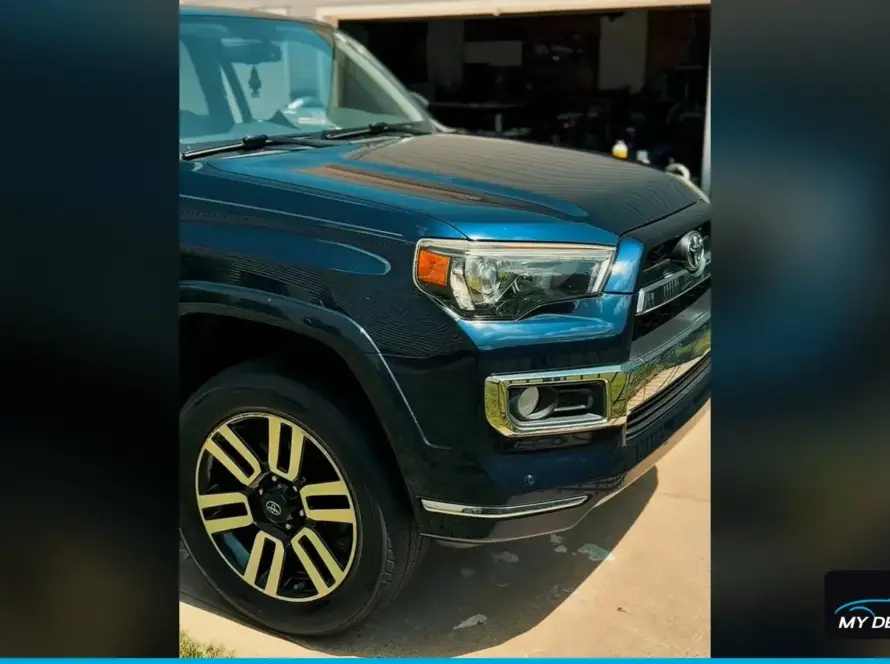
Ceramic coating is a liquid protective layer applied to your car’s paint. It bonds to the surface and cures into a thin, hard, slick finish. It makes the paint easier to clean and helps shield it from everyday wear. It does not make a car scratch-proof, and it does not mean you never wash the car again. Below is what it does, what it doesn’t, and what it costs with My Detail Buddy, serving Waxhaw, Marvin, Weddington, Wesley Chapel, Ballantyne, Myers Park, SouthPark, and Mt. Holly.
What Ceramic Coating Actually Is
Traditional wax sits on top of paint and wears away. A ceramic coating is a different kind of product. It is applied in a thin layer and cures on the surface, forming a protective skin over the clear coat. Because it is made to last far longer than wax or a basic sealant, it is sold in defined terms, such as 2, 6, or 10 years.
Those terms matter, and so does what stands behind them. Our coatings are System X, and each package carries its own warranty terms. System X does not offer a lifetime term. Be wary of any shop that promises one. The honest way to compare coatings is by the stated term and what the warranty covers.
The Real Benefits
Easier washing
Coated paint is slick and water-repellent, so dirt, pollen, and road film release more easily. Washes tend to be faster and gentler on the paint, which also means fewer wash-induced swirl marks over time.
Protection from everyday contaminants
A coating adds a sacrificial barrier between your clear coat and things like bird droppings, bug splatter, tree sap, and sun exposure. It buys you time, not immunity. Contaminants still need to come off promptly.
Depth and gloss
Paint that has been properly prepared and then coated usually looks deeper and glossier. The coating itself isn’t the only reason. Preparation is a big part of the result.
Less frequent heavy maintenance
You won’t be waxing every few months. Regular gentle washing is what keeps a coating working as it should.
The Limits
Plenty of coating marketing oversells it. Here is what a ceramic coating will not do:
- It won’t stop rock chips. Gravel on I-485 or Providence Road can still chip paint. Paint protection film is a different product built for impact.
- It won’t make paint scratch-proof. A coating can add some resistance to light marring, but keys, careless towels, and automatic brushes can still damage it.
- It won’t hide existing damage. A coating locks in whatever is underneath, so swirls and defects need to be corrected first, not sealed in.
- It isn’t maintenance-free. Dirty paint still needs washing, and the coating performs best when you use a safe wash method.
- It doesn’t last forever. Even a 10-year package has a term, and results depend on prep, care, and how the car lives day to day.
Why Prep Matters More Than the Product
The coating is only as good as the surface it bonds to. Before coating, paint should be thoroughly washed and decontaminated, and any defects you want gone should be dealt with first. Skipping this is the most common reason a coating disappoints. If you have scratches in the clear coat, we handle those separately. Scratch removal is $10 for a scratch in the clear coat, and $75–$100 for our main single-panel correction, scaling upward by panel and size.
System X Ceramic Coating Packages and Cost
We install System X coatings. The packages and listed prices are:
- Crystal+ — $810 (2-year term)
- Pro+ — $1,250 (6-year term)
- Max G+ — $1,500 (10-year term, includes a free Glass+ windshield coating)
- Max MF (matte) — $1,500 (10-year term)
Each package has its own warranty terms, so ask for them before you decide. Which package is right depends on how long you plan to keep the car, whether it has a matte finish, and how much protection you want. If you aren’t sure, get a quote and we’ll talk it through.
The October 2026 Fall Specials also include a Pre-Winter Protection package with 2-year System X ceramic coating, priced by vehicle size at $749, $799, or $899. Check the Fall Specials page on mydetailbuddy.com for current details.
Is It Worth It?
Ceramic coating tends to make sense when:
- You plan to keep the car for several years.
- The car is parked outside or lives under trees, where sun, sap, and pollen are constant.
- You like a clean car and want washing to be easier.
- You’d rather invest once than keep reapplying wax.
It may not be worth it if you lease for a short term and won’t see the benefit, or if you expect it to prevent every scratch and chip. In that case, tell us what you want, and we’ll recommend what fits.
Keeping a Coating Working
After coating, the routine is simple:
- Wash regularly using a gentle, safe method.
- Remove bird droppings and bug residue quickly.
- Avoid abrasive brushes and harsh cleaners.
- Follow the aftercare instructions for your package.
If you’d rather not handle it yourself, our maintenance memberships keep things on schedule: Buddy is $49.99/mo for exterior care, and Buddy+ is $99.99/mo for inside and out. Buddy Pro is $179/mo (every two weeks), and Premium is $319/mo (weekly). Pro and Premium members get 10% off other services. A starter detail may be required before a membership begins.
How Mobile Ceramic Coating Works
We come to you in Waxhaw and nearby areas, so you don’t have to drop the car off. For mobile service, customers provide the water and power. Shaded or covered space helps, and we’ll go over the setup when you book.
For new bookings made on or after October 1, 2026, a 20% deposit of the service price is required. It is non-refundable, always transfers to a rescheduled appointment, and is deducted from your total.
Ready to Coat Your Car?
Tell us the make and model, how you use the car, and what you want protected. We’ll point you to the right System X package and give you a clear quote. Request a quote or book your ceramic coating with My Detail Buddy.
Frequently asked questions
What is ceramic coating for cars?
It's a liquid protective layer applied to paint that cures into a thin, hard, water-repellent finish. It makes washing easier and helps protect the clear coat from everyday contaminants. It is not a substitute for regular washing.
How much does ceramic coating cost with My Detail Buddy?
System X packages are Crystal+ at $810 (2-year), Pro+ at $1,250 (6-year), Max G+ at $1,500 (10-year, with a free Glass+ windshield coating), and Max MF matte at $1,500 (10-year). Get a quote if you want help choosing.
Will ceramic coating protect against scratches and rock chips?
Not fully. It can add some resistance to light marring, but it won't stop rock chips or deeper scratches. Existing scratches should be corrected before coating.
Do you come to me for ceramic coating?
Yes, we serve Waxhaw, Marvin, Weddington, Wesley Chapel, Ballantyne, Myers Park, SouthPark, and Mt. Holly. For mobile service, customers provide the water and power.
Do I need to pay a deposit to book?
For new bookings made on or after October 1, 2026, yes. It's 20% of the service price, non-refundable, and it transfers to a rescheduled appointment. It's deducted from your total.
Ready for ceramic coating in Waxhaw?
We come to your home or office. Tell us about your vehicle and we’ll get you a quote.
Keep reading: Mobile detailing in Waxhaw · Our detailing prices