You spent good money on a ceramic coating to protect your paint. Now you’re standing in the garage holding a tin of wax, wondering: can you wax a ceramic coated car without ruining that investment? It’s a fair question, and the answer isn’t as simple as a hard yes or no.
Want it done for you? My Detail Buddy installs professional System X ceramic coating in Waxhaw right in your driveway. Get a free quote.
At My Detail Buddy, we apply and maintain ceramic coatings on vehicles across Waxhaw and the greater Charlotte area every week. We hear this question constantly from clients who want to keep their coated paint looking flawless but aren’t sure where wax fits into the equation. Some waxes can actually work against a ceramic coating’s design, while others complement it nicely.
This article breaks down whether waxing over a ceramic coating is safe, when it makes sense, when it doesn’t, and what maintenance alternatives professional detailers actually recommend. By the end, you’ll know exactly how to care for your coated vehicle without second-guessing yourself.
Why this question matters for coated cars
Ceramic coatings are not cheap. A professional-grade coating on a standard vehicle can run anywhere from $500 to over $2,000, depending on the product tier and the number of layers applied. That price tag is what makes this question so important. If you apply the wrong product on top of your coating, you risk compromising its hydrophobic properties and reducing its ability to repel water, dirt, and UV damage before the coating even reaches the end of its rated lifespan. Most quality coatings carry warranties of two to five years, and those warranties assume you maintain the surface correctly.
What ceramic coating actually does to your paint
A ceramic coating bonds chemically to your vehicle’s clear coat, not just on top of it. It forms a hard, semi-permanent barrier that protects your paint from the surrounding environment. This layer is what gives coated vehicles that deep, glass-like shine and makes water bead so aggressively when it hits the surface. The coating achieves this through silicon dioxide (SiO2) or titanium dioxide (TiO2) compounds that cross-link as they cure, producing a surface far harder and more chemically stable than any wax or sealant product can match.
Most professional coatings rate at 9H on the pencil hardness scale, meaning they resist light surface scratches and chemical etching from bird droppings, road fallout, and acidic rain. That protection only holds when the ceramic layer stays intact and undisturbed, which is exactly why the products you choose to apply on top of it carry real consequences.
Adding incompatible products on top of a ceramic coating can disrupt how water and contaminants interact with your paint, reducing the coating’s performance in ways that are hard to notice until the damage is already done.
Why mixing products can backfire
Traditional carnauba wax is designed to bond to bare or lightly sealed paint. When you layer it over a fully cured ceramic coating, the wax has very little to grip onto because the ceramic surface is chemically stable and extremely smooth. This means the wax wears off faster than it would on uncoated paint, and it can leave streaks or oily residue that dulls the very clarity your coating was applied to create.
Your coating was built to function as a complete protection system on its own. Piling on products it was never formulated to work with creates unnecessary interference at the surface level. Understanding what your ceramic coating actually needs versus what old detailing habits suggest is the core tension behind this question, and it is why so many vehicle owners end up making the wrong call.
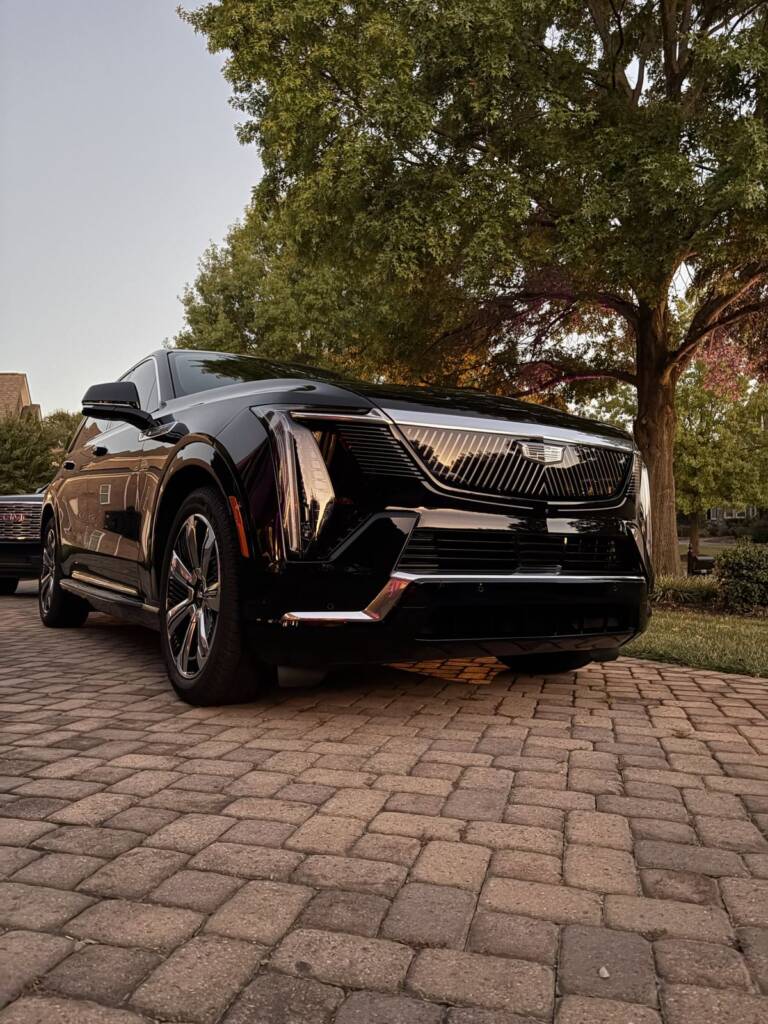
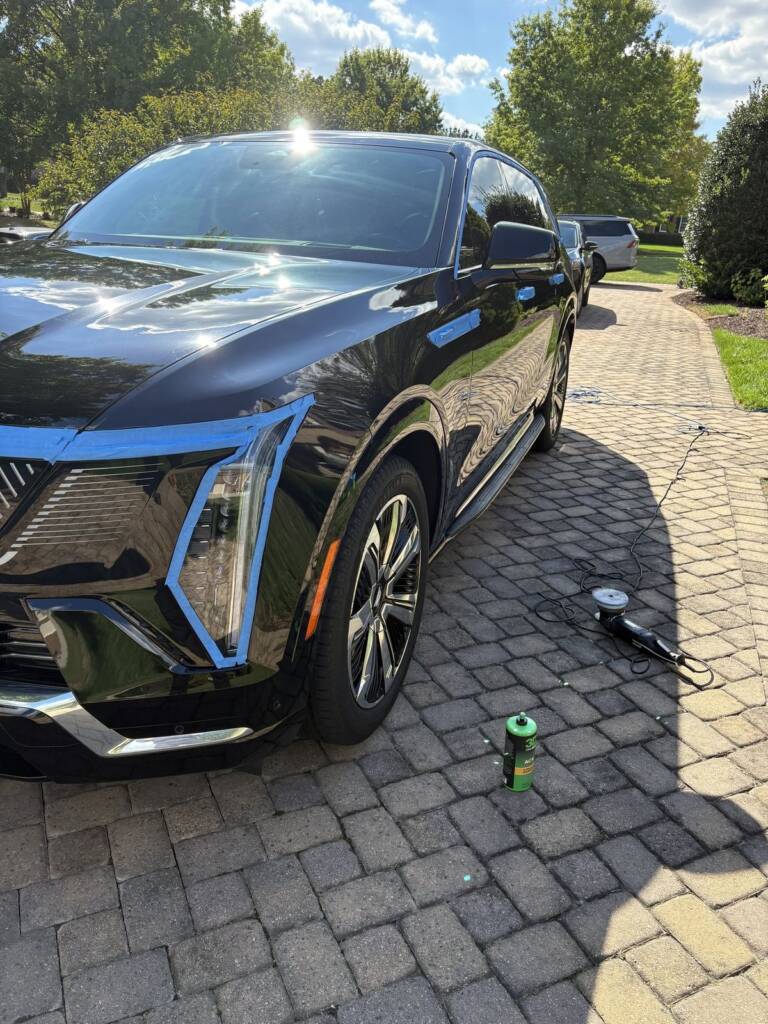
What clean, protected paint looks like
Can you wax a ceramic coated car
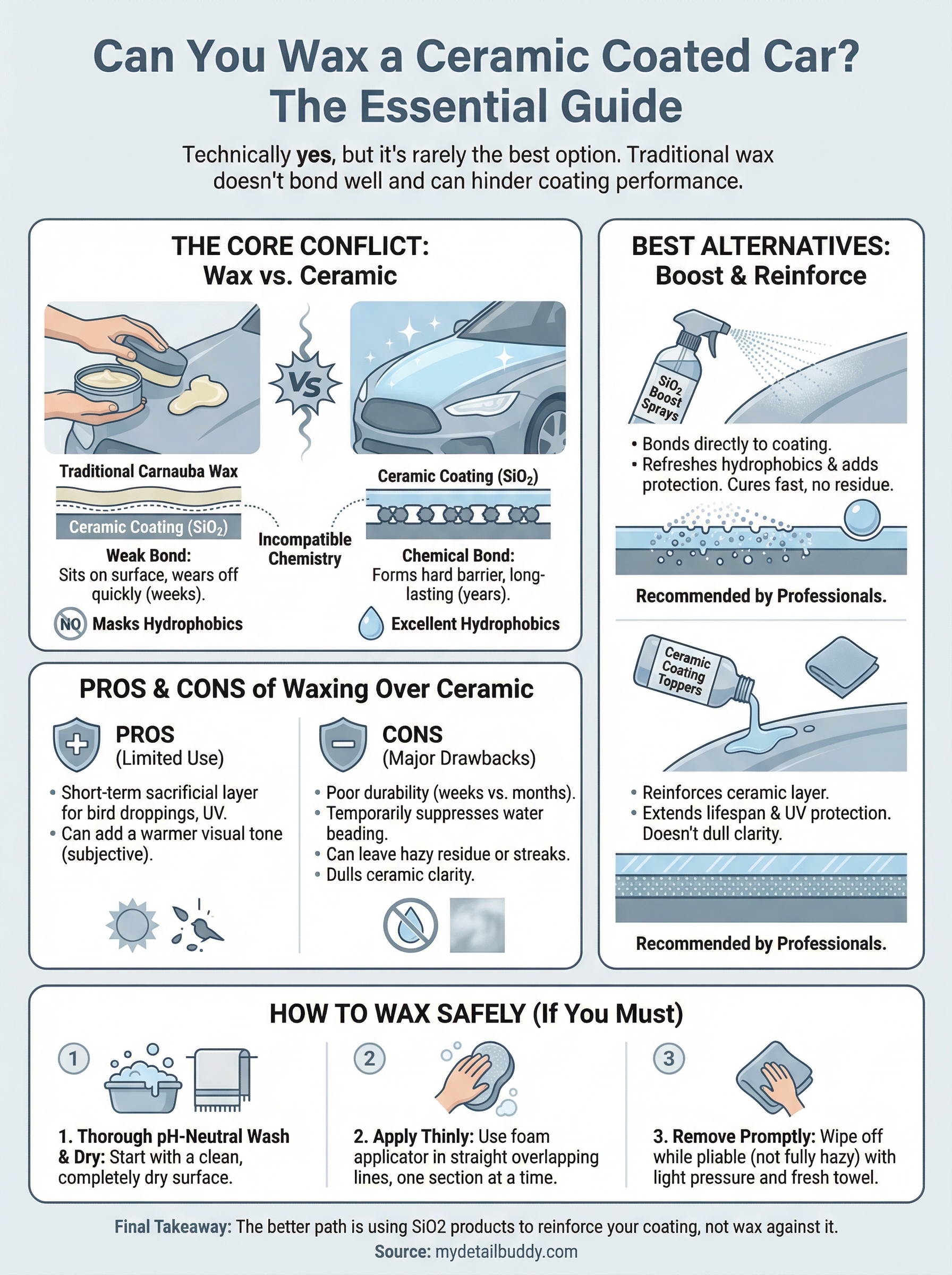
Technically, yes, you can wax a ceramic coated car. The wax will spread across the surface and wipe off without damaging your coating. But "can" and "should" are two very different questions. The real issue is that traditional carnauba wax does not bond properly to a fully cured ceramic surface, so any protection it adds is minimal and short-lived compared to what it delivers on bare or lightly sealed paint.
What actually happens when you apply wax
When wax meets a ceramic-coated surface, it sits on top of the coating rather than bonding to it the way it bonds to unprotected clear coat. Because the ceramic layer is so chemically inert and smooth, the wax has almost nothing to grip. It typically lasts only a few weeks before washing away, compared to the months you might get from wax applied to untreated paint.
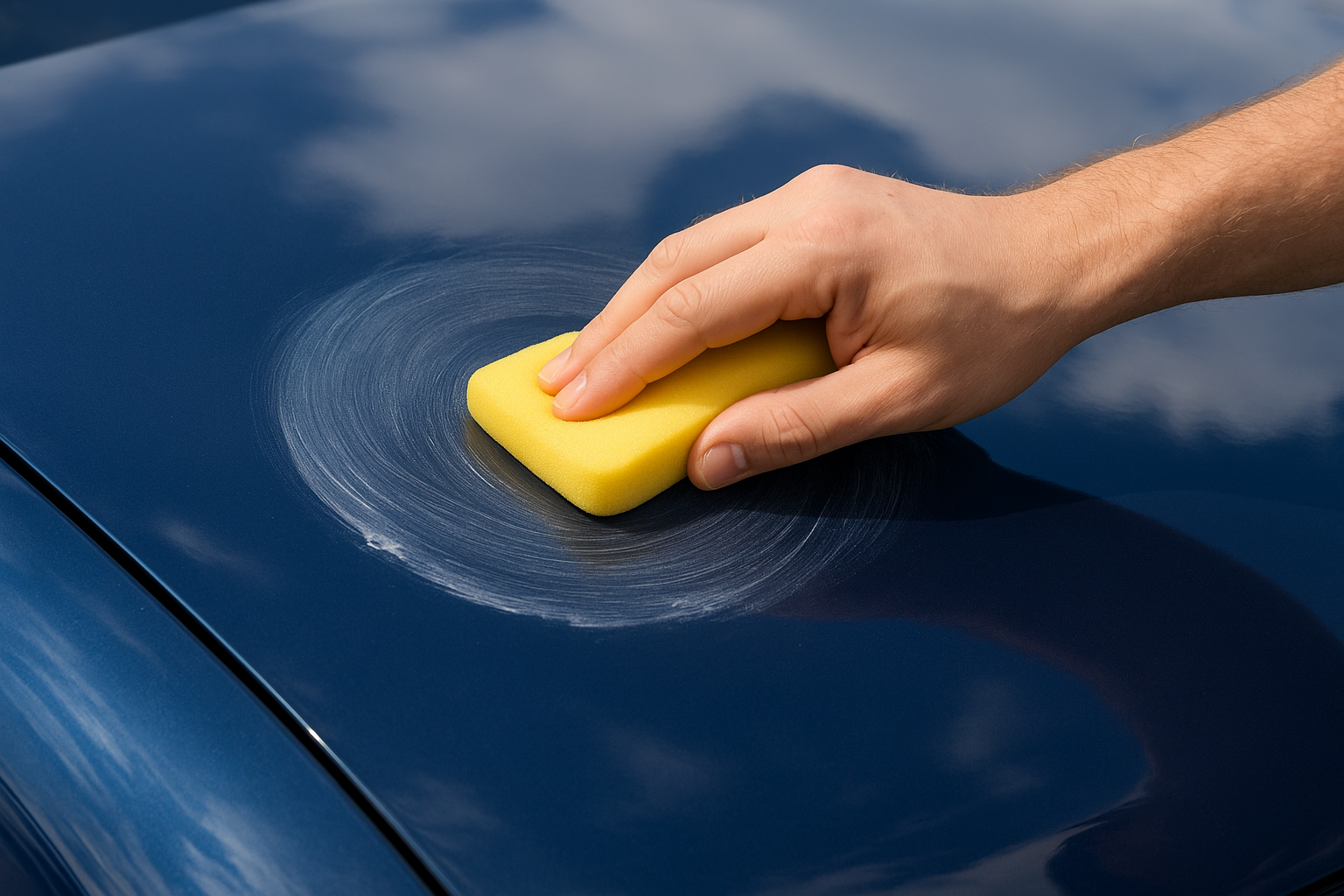
Applying traditional wax over a ceramic coating is not dangerous, but it adds very little real value and can temporarily mask the coating’s natural hydrophobic behavior.
This matters because the wax can obscure the coating’s water-beading performance, making it harder for you to monitor the health of your ceramic layer over time. When the wax wears off unevenly, you may notice patchy or dull spots that look like coating failure even when the ceramic underneath is completely intact, which causes unnecessary concern and can lead to premature maintenance decisions.
Pros and cons of waxing over ceramic coating
Before you decide whether waxing a ceramic coated car makes sense for your situation, it helps to look at both sides honestly. The pros are limited but real. The cons are practical and worth taking seriously before you reach for that tin of carnauba.
Where wax can help
Wax adds a thin layer of sacrificial protection that absorbs minor environmental exposure before it reaches your ceramic layer. On a vehicle that spends a lot of time parked outdoors, this can act as a short-term buffer against bird droppings, tree sap, and UV exposure during peak summer months. Some owners also find that a light coat of wax gives their paint a warmer, deeper visual tone that they prefer over the sharper, glass-like finish a bare ceramic coating produces.
Wax used intentionally as a temporary sacrificial layer is a different decision than applying it out of habit without understanding what sits underneath.
Where wax falls short
The drawbacks outweigh the benefits in most situations. Traditional carnauba wax bonds poorly to a ceramic surface, so it wears off within weeks rather than months. As it degrades unevenly, it can temporarily suppress the hydrophobic behavior your coating was built to deliver, making water sheet less aggressively and giving the surface a slightly hazy appearance. You also risk building up residue in panel gaps and trim edges that takes extra effort to remove during your next proper maintenance wash.
Best options instead of traditional wax
If can you wax a ceramic coated car is the question, the smarter follow-up is what you should use instead. Several products are specifically engineered to work with ceramic coatings rather than against them, giving your vehicle a genuine performance boost without interfering with the protection your coating already delivers.
SiO2 boost sprays
SiO2 boost sprays are the most practical choice for maintaining a ceramic-coated vehicle between professional services. These sprays contain silicon dioxide particles that bond directly to your existing ceramic layer, refreshing its hydrophobic properties and adding measurable protection. You apply them after a proper wash while the surface is still slightly damp, and they cure within minutes without leaving residue or dulling the coating’s clarity.
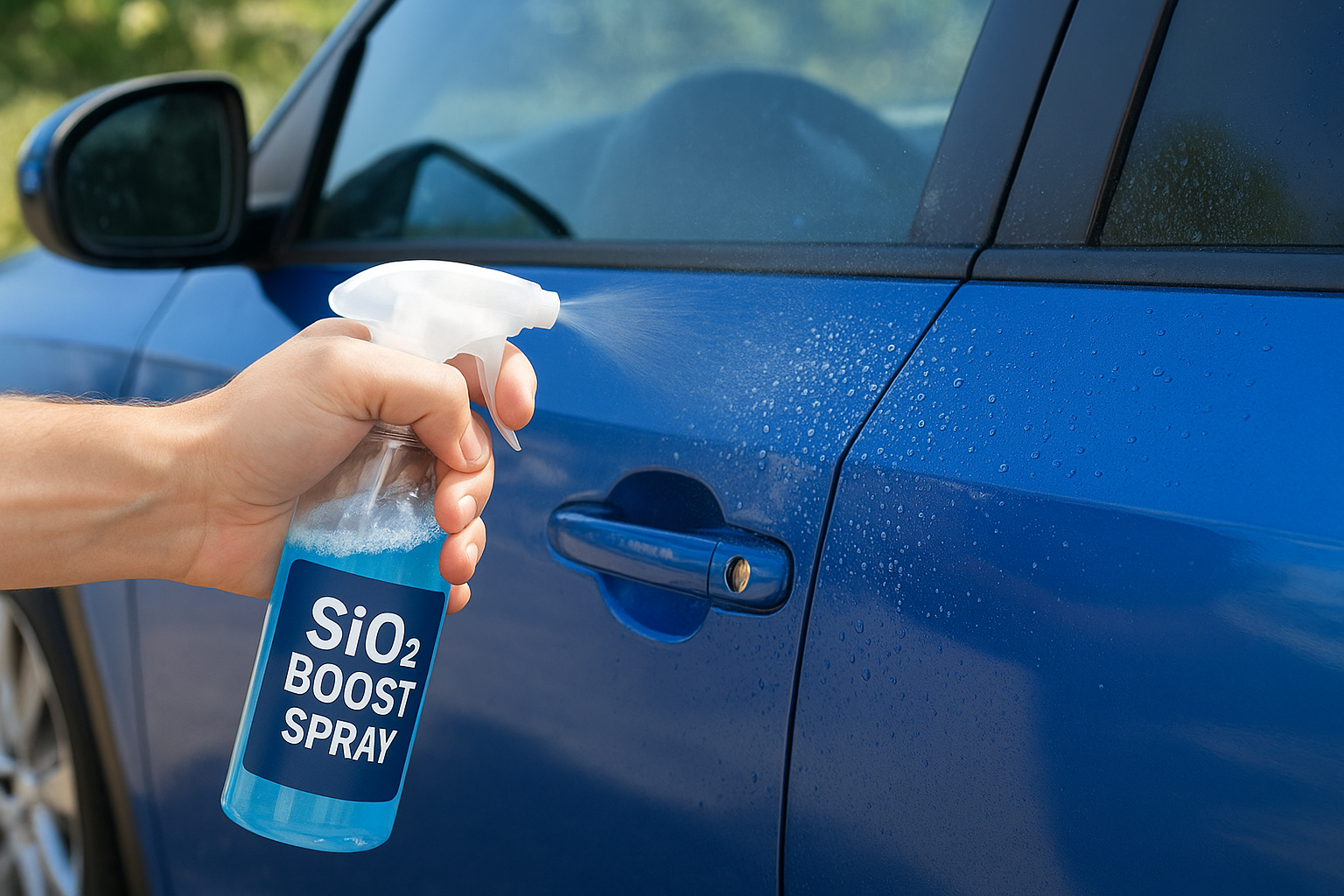
SiO2 sprays are formulated to complement ceramic coatings rather than compete with them, which makes them the go-to maintenance product for most professional detailers.
Ceramic coating toppers
Toppers take things a step further than spray options. These liquid polymer products bond directly to your existing ceramic layer and extend its rated lifespan with each application. Unlike traditional wax, they do not suppress the coating’s water-beading behavior or leave a hazy film across your paint.
You apply most toppers every few months to reinforce the ceramic layer and add extra UV protection during heavy sun exposure. Pairing a topper with regular maintenance washes keeps your coating performing closer to the day it was first installed, making it the most cost-effective long-term maintenance strategy available.
How to wax a ceramic coated car safely
If you’ve decided that waxing a ceramic coated car is the right call for your situation, the way you apply it matters. Done correctly, a light wax application adds a short-term sacrificial layer without leaving behind residue that dulls your ceramic coating’s clarity or suppresses its performance.
Prep the surface before you apply anything
Start with a thorough two-bucket wash using a pH-neutral soap to strip road grime, bird dropping residue, and any leftover product buildup from previous sessions. Applying wax over a contaminated surface traps particles against your ceramic layer and risks creating micro-scratches when you spread the product across the panel.
Dry the vehicle completely with a clean microfiber drying towel before touching any wax product. Even a small amount of moisture trapped under wax leads to uneven bonding and can leave streaky patches that require extra work to remove later.
A clean, dry surface is the single most important factor in getting a smooth, even wax application over a ceramic coating.
Apply wax sparingly and remove it promptly
Use a foam applicator pad to spread a thin, even coat in straight overlapping lines, working one small section at a time. Avoid circular motions, which create uneven buildup and make removal harder, especially on flat horizontal panels like the hood and roof that attract the most heat and dust.
Remove the wax while it’s still slightly pliable, not fully hazed over. Wipe with a fresh microfiber towel using light pressure and straight passes to avoid leaving swirl marks across the paint surface.
Final takeaways
Can you wax a ceramic coated car? Yes, but it rarely makes sense to do so. Traditional carnauba wax bonds poorly to a cured ceramic surface, wears off within weeks, and can temporarily dull the hydrophobic behavior your coating was specifically built to deliver. The better path is using SiO2 boost sprays or ceramic toppers that bond directly to your existing coating and reinforce it rather than work against it.
Your maintenance approach determines how long your coating performs at its rated level. Stick with pH-neutral wash soaps, decontaminate the paint twice a year, and apply a quality SiO2 spray every few weeks to keep your coating’s water-beading sharp and consistent. Small habits handled consistently protect your investment far better than any wax application ever could. If you’re in the Waxhaw or Charlotte area and want a professional detail done right, book your appointment online with My Detail Buddy today.